Why Are My Nails So Brittle After Pregnancy? A Simple Solution
Reading Time: 11 minutes
You used to admire your nails during pregnancy. They were long, strong, and growing faster than ever. Now, a few months postpartum, you're watching them peel, split, and snap off at the slightest tap on a keyboard. You're not imagining it. You're not being dramatic. And you are absolutely not alone.
I hear this from mothers constantly. Just last month, Maya — a new mom of twins in Denver — messaged me almost apologetically: "I know this sounds silly, but my nails are so bad right now. They break before they even grow. Is this normal?" It's not silly at all. Brittle nails after pregnancy are one of the most overlooked signs that your body is running on empty, and they're telling you something important that deserves your attention.
Here's what I want you to understand from the very start: your nails are not just a cosmetic concern. They are a window into your nutritional status. When nails become weak, brittle, or ridged after having a baby, your body is sending you a clear, visible distress signal. The good news? Once you understand what's driving this, the solution becomes surprisingly straightforward.
The Real Science Behind Brittle Nails Postpartum
What Actually Happens to Your Body During and After Pregnancy
Pregnancy is one of the most nutritionally demanding events the human body can experience. Your body spent nine months redirecting its most precious resources — vitamins, minerals, protein, healthy fats — toward building an entirely new human being. Your baby's needs were always prioritized first. Always. That's biology.
Then birth happens, and if you're breastfeeding, the demand doesn't stop. According to research published in the American Journal of Clinical Nutrition, breastfeeding mothers require approximately 500 additional calories per day, along with significantly elevated needs for iodine, choline, zinc, and selenium compared to non-lactating women. Your body is still giving, and giving generously, even when your own reserves are depleted.
This state of chronic nutritional insufficiency has a name: postnatal depletion. Dr. Oscar Serrallach, author of The Postnatal Depletion Cure, describes it as a syndrome affecting up to 50% of mothers for up to 10 years postpartum if left unaddressed. Brittle nails postpartum are one of its most visible symptoms.
The Nail-Nutrient Connection
Your nails are made primarily of a hardened protein called keratin. For keratin to form properly — and for your nails to be strong, flexible, and resilient — your body needs a specific constellation of nutrients working in concert. When those nutrients are depleted, nail integrity breaks down. Literally.
The key players are:
-
Biotin (Vitamin B7): Perhaps the most well-known nutrient for nail health. A 1993 study published in the Journal of the American Academy of Dermatology found that supplementing with 2.5 mg of biotin daily increased nail thickness by 25% in patients with brittle nails. Biotin deficiency is more common postpartum than most people realize, especially in breastfeeding mothers.
-
Iron: Iron deficiency is the most common nutritional deficiency worldwide, and postpartum women are at exceptionally high risk due to blood loss during delivery. Low iron causes reduced oxygen delivery to the nail matrix — the tissue that produces nail cells. The result? Soft, spoon-shaped, or brittle nails. A 2016 analysis in Nutrients found that up to 27% of postpartum women meet the clinical threshold for iron deficiency anemia.
-
Zinc: Critical for cell division and protein synthesis — both essential processes for nail growth. Zinc is also heavily concentrated in breast milk, meaning lactating mothers deplete their stores rapidly. White spots on nails and slow nail growth are classic signs of zinc insufficiency.
-
Collagen and Protein: Nails are protein structures. Without adequate dietary protein and the collagen precursors (glycine, proline, hydroxyproline), your body simply doesn't have the raw materials to build strong nails. Many new mothers are chronically under-eating protein simply because they don't have time to prepare proper meals.
-
Vitamin D: Often overlooked in nail conversations, but a 2020 study in Dermatology and Therapy linked low vitamin D levels to brittle nails and onychoschisis (nail splitting). Postpartum vitamin D deficiency is extremely prevalent — some studies estimate up to 76% of new mothers have suboptimal vitamin D levels.
-
Omega-3 Fatty Acids: These essential fats keep the nail bed hydrated and reduce the brittleness that comes from dryness. DHA, a specific omega-3, is heavily utilized during fetal brain development and breastfeeding, leaving many mothers significantly depleted.
The bottom line: Weak nails after pregnancy aren't a mystery. They're a measurable, addressable consequence of nutrient depletion — and they respond beautifully to targeted support.
Solution #1: Strategic Nutritional Replenishment
The Postpartum Nutrient Deficiency Problem Is Real — And Fixable
The foundation of recovering from brittle nails postpartum is rebuilding your nutritional status from the inside out. No topical nail treatment will fix a deficiency that's happening at the cellular level. This is where I see mothers make the most well-intentioned mistakes — spending money on nail hardeners while ignoring the deeper issue.
Here's what I recommend in my functional nutrition practice:
Start with targeted supplementation:
- Biotin: 2.5–5 mg daily (the research-supported dose for nail improvement). Note: if you're pregnant again or considering pregnancy, discuss with your provider, as high biotin can interfere with certain lab tests.
- Iron: Have your ferritin levels tested first. Optimal ferritin for postpartum recovery is above 50 ng/mL (not just "normal range"). If you're deficient, a therapeutic dose of iron bisglycinate 25–50 mg is typically better tolerated than ferrous sulfate.
- Zinc: 15–25 mg daily, ideally in the form of zinc bisglycinate or zinc picolinate for superior absorption. Don't supplement zinc without food — it can cause nausea on an empty stomach.
- Vitamin D3 with K2: Most postpartum women need 2,000–4,000 IU of D3 daily. The K2 helps direct calcium appropriately and prevents arterial calcification.
- Omega-3s (DHA/EPA): Aim for at least 1,000–2,000 mg of combined DHA/EPA daily. Algae-based options are excellent if you don't eat fish.
Your prenatal vitamin isn't enough. I know that feels counterintuitive, but most prenatal vitamins are formulated for pregnancy — not recovery. They often contain inadequate amounts of iron, zinc, and B vitamins, and virtually no therapeutic-level biotin.
Food First: The Nail-Supportive Plate
Supplements close the gap, but food builds the foundation. Here are the most powerful foods for addressing postpartum nail health:
Protein (aim for 80–100g daily if breastfeeding):
- Eggs (also rich in biotin and choline)
- Salmon (protein + omega-3s in one hit)
- Lentils and beans
- Full-fat Greek yogurt
Iron-rich foods:
- Grass-fed beef and lamb
- Chicken liver (one of the most nutrient-dense foods on the planet)
- Pumpkin seeds
- Spinach paired with vitamin C to enhance absorption
Zinc sources:
- Oysters (the highest dietary zinc source)
- Beef
- Hemp seeds
- Chickpeas
Rachel, a mom I worked with in Chicago, had nails so brittle she'd stopped even trying to grow them. She was a vegetarian, running low on protein, zinc, and iron. Within eight weeks of adjusting her diet and adding a targeted supplement protocol, she sent me a photo — long, strong nails for the first time since before her daughter was born. Food changes matter.
Solution #2: Address Hydration and Nail Moisture from the Outside In
The External Side of Postpartum Nail Care
Once you're addressing the internal nutritional picture, external nail care becomes genuinely supportive (rather than just a band-aid). Brittle nails are often partly dehydrated nails, and there are simple steps that make a real difference.
Daily postpartum nail care habits that actually work:
-
Apply cuticle oil daily. Jojoba oil or vitamin E oil massaged into the nail bed and cuticles improves flexibility and reduces breakage. This takes 60 seconds and is worth every one of them.
-
Wear gloves for washing dishes and cleaning. Extended contact with water followed by drying weakens the nail structure — a process called repeated wet-dry cycling. This is one of the most underappreciated causes of brittle nails in new mothers who are suddenly doing far more household work.
-
Avoid acetone-based nail polish removers. These strip nails of their natural oils. Switch to acetone-free formulas.
-
Keep nails short while rebuilding strength. I know this feels like a defeat, but shorter nails experience less mechanical stress. Let your nutrition rebuild the foundation, and length will follow naturally.
-
Use a glass nail file. Metal and sandpaper-textured files create micro-tears in the nail edge that become splitting points. A glass file seals as it smooths.
Quick tip: Apply a thin layer of a nail-strengthening base coat (look for ones with hydrolyzed wheat protein or calcium) if you want to wear polish while rebuilding. Avoid formaldehyde-containing strengtheners, which can paradoxically make nails more brittle over time.
Solution #3: Support Your Gut Health
Why Your Gut Might Be Blocking Nutrient Absorption
Here's something that surprises many of my clients: you can be eating all the right foods and taking all the right supplements, and still have brittle nails postpartum if your gut isn't absorbing nutrients properly.
Pregnancy and birth create significant shifts in the gut microbiome. C-section birth, antibiotic use (common during and after birth), stress, and sleep deprivation all affect gut bacteria and intestinal permeability. When the gut lining is compromised — sometimes called "leaky gut" — nutrient absorption is dramatically impaired.
A 2019 study in Gut Microbes found that the postpartum gut microbiome remains significantly altered for at least 4–6 weeks after birth, and often much longer without active support.
Practical gut-healing strategies:
- Add a high-quality probiotic. Look for strains including Lactobacillus rhamnosus GG and Bifidobacterium longum, which have the most research support for postpartum gut health. Dose: at least 10–50 billion CFU daily.
- Eat fermented foods daily. Kefir, sauerkraut, kimchi, and plain yogurt all provide live cultures that support microbiome diversity.
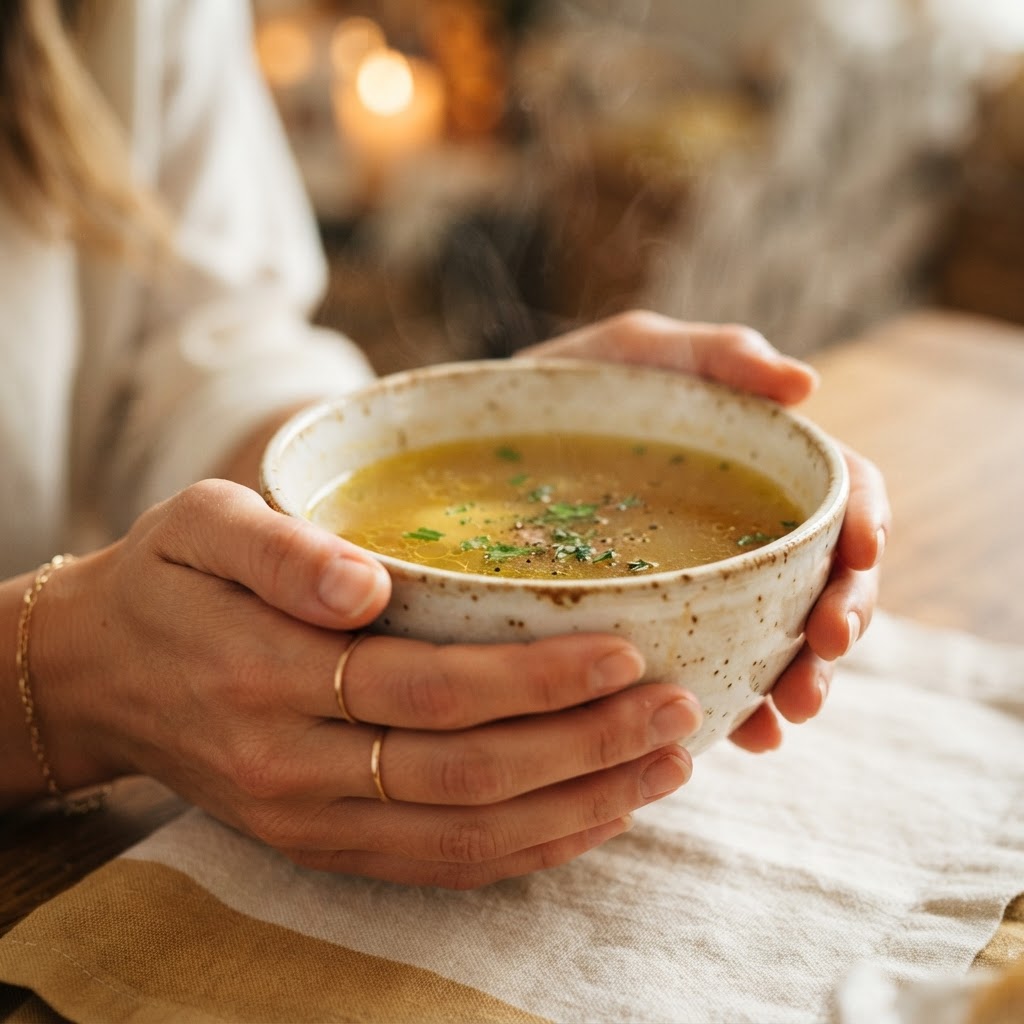
- Include bone broth regularly. Rich in glycine and glutamine, it directly supports gut lining repair. Add it to soups, cook grains in it, or sip it as a warm drink.
- Reduce inflammatory foods. Excess sugar, refined flour, and processed oils all feed dysbiosis (unhealthy gut bacteria) and impair gut integrity.
Sarah, a breastfeeding mom I worked with virtually from Austin, was doing "everything right" on paper but still seeing fragile, peeling nails at four months postpartum. When we dug deeper, her gut health had never recovered from the group B strep antibiotics she'd received during labor. Adding gut-healing strategies to her protocol was the missing piece. Within six weeks, her nails turned a corner.
Solution #4: Manage the Hidden Role of Stress and Sleep Deprivation
How Cortisol Steals Your Nail Health
No conversation about postpartum recovery is complete without acknowledging the profound biological impact of chronic stress and sleep deprivation — two things every new mother knows intimately.
When cortisol (your primary stress hormone) is chronically elevated, it does several things that directly harm nail health:
- It impairs nutrient absorption in the gut
- It increases urinary excretion of key minerals including zinc and magnesium
- It diverts energy away from non-essential functions like nail growth (your body's hierarchy of priorities means nails are near the bottom)
- It depletes B vitamins at an accelerated rate
You cannot out-supplement a stressed, sleep-deprived body. This isn't about self-blame — it's about understanding the full picture so you can address it strategically.
Nervous system support strategies that are actually realistic with a newborn:
- Magnesium glycinate before bed: 300–400 mg supports both sleep quality and stress resilience, while also being important for hundreds of enzymatic reactions in the body.
- Ashwagandha (if not breastfeeding, or check with your provider): A well-researched adaptogen that has been shown in clinical trials to reduce cortisol by up to 28% when taken at 300 mg twice daily.
- 10 minutes of sunlight exposure in the morning: This regulates your circadian rhythm and supports natural cortisol patterns.
- Ask for help. I mean this clinically. Social support and shared caregiving are documented stress-reduction tools. They also support nail health. That's not an exaggeration.
When to See a Specialist
Brittle Nails as a Sign of Something More
While nutritional depletion accounts for the vast majority of postpartum nail brittleness, there are situations where brittle nails can signal an underlying condition that warrants medical evaluation.
Book an appointment with your doctor or a functional medicine practitioner if:
- Nail changes are accompanied by significant hair loss beyond 6 months postpartum, extreme fatigue, or cold intolerance (possible thyroid dysfunction — up to 10% of postpartum women develop postpartum thyroiditis)
- You notice spoon-shaped nails (koilonychia), which can indicate severe iron deficiency anemia
- Nails have turned yellow, thickened, or show signs of separation from the nail bed (possible fungal infection requiring treatment)
- You're experiencing mood changes, anxiety, or depressive symptoms alongside physical symptoms — these can co-occur with nutrient deficiency
- Nail symptoms appear suddenly and severely rather than gradually over weeks
Recommended labs to ask your provider for postpartum:
- Complete Blood Count (CBC)
- Ferritin (not just serum iron)
- Vitamin D (25-OH)
- Thyroid panel (TSH, free T3, free T4, TPO antibodies)
- Zinc and copper levels
- Comprehensive metabolic panel
Advocate for yourself. "Normal" range on a lab panel doesn't always mean optimal for a postpartum, potentially breastfeeding woman. Work with a provider who understands postpartum-specific reference ranges.
Your 4-Week Postpartum Nail Recovery Action Plan
Here's a simple, practical roadmap to start implementing today:
Week 1 — Assess and Begin Basics
- [ ] Get lab work ordered (ferritin, vitamin D, CBC minimum)
- [ ] Start a high-quality prenatal + targeted biotin (2.5 mg) and vitamin D3 (2,000 IU)
- [ ] Buy cuticle oil and start daily application
- [ ] Add one protein-rich food to each meal
Week 2 — Layer in Gut and Omega Support
- [ ] Add a probiotic (50 billion CFU) daily
- [ ] Begin omega-3 supplementation (1,000–2,000 mg DHA/EPA)
- [ ] Introduce bone broth 3x per week
- [ ] Switch to glass nail file, remove acetone polish remover from cabinet
Week 3 — Optimize Minerals
- [ ] Add zinc bisglycinate (15–25 mg with dinner)
- [ ] Add magnesium glycinate (300 mg before bed)
- [ ] Review iron results and adjust if needed with provider guidance
- [ ] Increase fermented foods to daily (even just a few tablespoons of sauerkraut counts)
Week 4 — Review and Refine
- [ ] Assess nail improvement (take photos to compare)
- [ ] Review energy, hair, and mood changes — these improve alongside nails
- [ ] Consider a 90-day deeper nutrition protocol if depletion feels pervasive
- [ ] Celebrate any progress, however small — your body is healing
You Deserve to Feel Like Yourself Again
Brittle nails after pregnancy are not permanent. They are not inevitable. And they are not something you simply have to accept as the price of motherhood.
They are a signal — a very treatable, very addressable signal — that your body gave everything it had to bring your baby into the world, and now it's asking you to give something back to yourself.
The mothers I work with who commit to postpartum nutritional recovery don't just get stronger nails. They get more energy. They feel more like themselves. They show up with more presence for their babies and their families. Your recovery is not vanity. It is not optional. It is the foundation of everything.
You grew a human being. Replenishing your body is not an indulgence — it is an act of profound self-respect, and it is exactly what you deserve.
Are your nails just the beginning? If you're also experiencing hair loss, brain fog, exhaustion that won't quit, or a sense that your body "never bounced back," it may be time to look at the full picture of your postpartum recovery.
I offer free 30-minute discovery calls where we can talk through what you're experiencing, review your symptoms, and map out a clear, personalized path forward — no pressure, just clarity.
👉 Book your free discovery call here — because you've spent enough time waiting to feel better.
Yarden Konki is a Certified Functional Postpartum Nutritionist based in Los Angeles, working virtually with mothers across the US. The information in this article is for educational purposes and does not constitute medical advice. Always consult your healthcare provider before beginning new supplements, particularly if you are pregnant or breastfeeding.
<!--ff-links-->Keep reading
- Why Is My Heart Racing After Pregnancy? A Nutritional Look
- Why Do I Have Restless Legs After Pregnancy? Nutritionist Tips
- Why Am I So Itchy Postpartum? Common Causes and Relief Tips
Not sure where you are on the depletion scale?
Most mothers are told their bloodwork is "normal" while they still feel nothing like themselves. The 2-minute postnatal depletion quiz scores your energy, hormone, mood and brain-fog patterns and tells you which one is driving the rest.
If you already know you want a plan built around your labs, your baby's age and your actual life, book a free discovery call or look through the recovery programs.