You used to have a skincare routine. Maybe it was elaborate, maybe it was simple — but it was yours. Now, somewhere between the 3 AM feedings and the endless laundry piles, you catch a glimpse of yourself in the bathroom mirror and barely recognize the face staring back at you. Your skin feels tight, flaky, and dull in a way that no moisturizer seems to touch. You're drinking water, you think. You're doing everything right. So why does your skin feel like it belongs to someone else entirely?
First, I want you to hear this: you are not imagining it, and you are not failing. Postpartum dry skin is one of the most common — and most dismissed — symptoms of postnatal depletion that I see in my practice. In the seven years I've been working with new mothers, I've talked to many postpartum mothers who describe the exact same experience. They feel embarrassed to mention it at their six-week checkup because it seems "too small" compared to everything else. But dry, dull, irritated skin is your body whispering — sometimes shouting — that something deeper needs attention.
What I want to give you today is not just a list of fancy creams (though we will talk about topical remedies). I want to explain what is actually happening inside your body that's showing up on your skin, because once you understand the root causes of postpartum skin issues, you can start healing from the inside out — the only way that creates lasting change.
The Science Behind Why Your Skin Changes So Dramatically Postpartum
The Great Hormonal Crash
During pregnancy, your estrogen levels are approximately 100 times higher than they are during a normal menstrual cycle. Estrogen is a powerful skin ally — it stimulates collagen production, promotes skin hydration, and supports the skin barrier function. Then, within 24 hours of delivery, those estrogen levels drop precipitously, falling back to or even below pre-pregnancy levels almost overnight.
This hormonal free-fall has real, measurable effects on your skin. Estrogen directly stimulates the production of hyaluronic acid — a molecule that can hold up to 1,000 times its weight in water — in your skin cells. Lower estrogen means less hyaluronic acid, which means less moisture retention, which means that tight, parched feeling that no amount of lotion seems to fix. Research published in Dermatology Practical & Conceptual confirms that decreased estrogen is directly associated with reduced skin thickness, diminished barrier function, and decreased sebum production.
If you're breastfeeding, this effect is amplified. Lactation keeps estrogen levels suppressed — similar to the hormonal state of perimenopause — for as long as you're nursing. This isn't a reason to stop breastfeeding; it's simply a reason to understand why your skin needs extra support during this season.
Nutritional Depletion: The Hidden Driver of Postpartum Dry Skin
Here's what most dermatologists won't tell you at your postpartum appointment: skincare after pregnancy is fundamentally a nutrition conversation first. Your baby spent nine months drawing on your body's reserves to build every organ, tissue, and cell in their tiny body. And they were not polite about it — they took what they needed, and your body graciously offered it up.
The nutritional causes of dry skin postpartum are significant and often underappreciated:
-
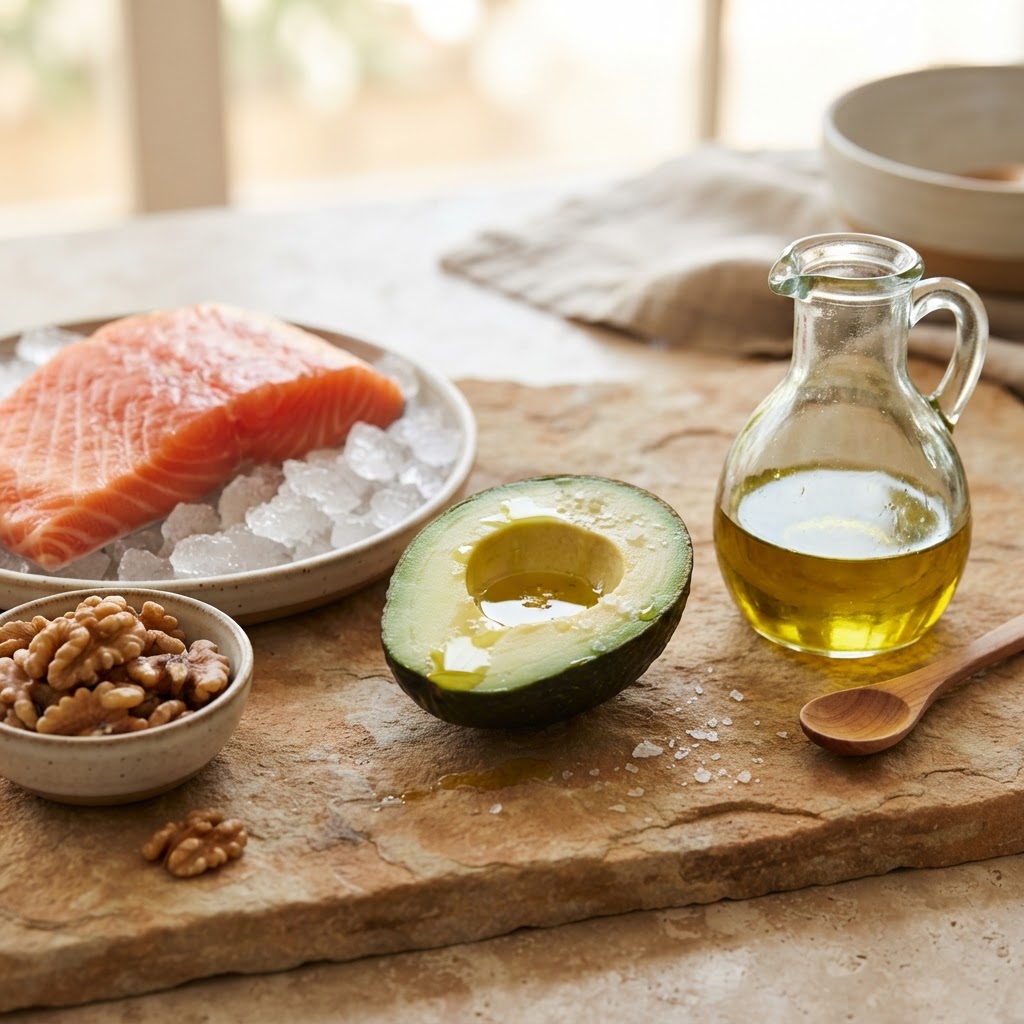
Essential Fatty Acids (EFAs): Your baby's brain is approximately 60% fat, and a significant portion of those building blocks came from your omega-3 stores — particularly DHA. Research shows that maternal DHA levels can drop by 50% or more during pregnancy. DHA and EPA from omega-3 fatty acids are essential for maintaining the lipid barrier of your skin cells. Without adequate EFAs, your skin literally cannot hold moisture.
-
Vitamin A: Depleted heavily during pregnancy and lactation, vitamin A (in its active retinol form) regulates skin cell turnover and sebum production. Deficiency is strongly correlated with dry, flaky skin and keratosis pilaris (those rough bumps on the back of your arms you may have noticed).
-
Zinc: A critical cofactor in over 300 enzymatic reactions, zinc supports skin healing and collagen synthesis. Breast milk is rich in zinc, meaning lactating mothers are continuously losing zinc stores. The Recommended Dietary Allowance for zinc jumps from 8 mg/day to 12 mg/day during lactation — a 50% increase that most postpartum diets don't meet.
-
Biotin (Vitamin B7): Often associated with hair loss postpartum, biotin also plays a central role in fatty acid synthesis and skin barrier maintenance. Biotin deficiency manifests as dry, scaly skin and rashes.
-
Vitamin D: Studies suggest that up to 40% of new mothers in the US are vitamin D deficient. Vitamin D receptors are present in virtually every skin cell, and deficiency is associated with impaired barrier function and increased skin inflammation.
-
Collagen Cofactors: Your skin is approximately 70% collagen. Synthesizing collagen requires vitamin C, glycine, proline, and copper — all of which are heavily demanded during pregnancy and breastfeeding.
Dehydration Is Real — But It's Complicated
Yes, hydration matters. And yes, most new mothers are chronically under-hydrated — especially those who are breastfeeding and producing 25-35 ounces of milk per day. But here's the nuance that most advice skips over: you can drink plenty of water and still have dry skin if your cells lack the minerals and fatty acids needed to actually absorb and retain that water.
Think of it like watering a cracked, compacted garden. If the soil structure isn't right, the water just runs off. Your cells need electrolytes (sodium, potassium, magnesium) to shuttle water across cell membranes, and they need healthy lipids in the cell membrane itself to prevent water from evaporating right back out.
Healing Remedies for Postpartum Dry Skin: Inside and Out
1. Rebuild Your Skin from the Inside: Nutritional Protocol
This is the foundation — and where I always start with clients.
Omega-3 Fatty Acids Aim for 2,000–3,000 mg of combined EPA + DHA daily from a high-quality, third-party tested fish oil or algae-based omega-3 (if you're plant-based). Algae-based omega-3s are particularly excellent because algae is where fish get their DHA in the first place — you're going to the source. Expect to see skin changes in 8–12 weeks with consistent supplementation; this is not an overnight fix, but it is a profound one.
Look for oils that are IFOS-certified or NSF-certified to ensure purity and potency, especially important during breastfeeding.
Vitamin A (from food first, then supplements) Focus on preformed vitamin A from liver, eggs, and full-fat dairy (if tolerated), plus provitamin A carotenoids from orange and yellow vegetables. If supplementing, do not exceed 10,000 IU of preformed retinol daily during lactation. I typically recommend 5,000 IU from a mixed carotenoid/retinol blend in a high-quality prenatal or postnatal vitamin.
Zinc Consider supplementing with 15–25 mg of zinc bisglycinate or zinc picolinate daily — these forms have superior absorption compared to zinc oxide. Take zinc with food to minimize nausea. If you're also supplementing with iron, take them at different times as they compete for absorption.
Vitamin D3 + K2 Vitamin D supplements: A qualified healthcare professional should decide whether testing or supplementation is needed and select a dose for your circumstances. The adult upper intake limit, including during breastfeeding, is 4,000 IU daily from food, drinks, and supplements; higher treatment doses require medical supervision. NIH vitamin D guidance.
Collagen Peptides Adding 10–20 grams of hydrolyzed collagen peptides to your daily routine is one of the simplest, most impactful things you can do for postpartum skin. A 2019 randomized controlled trial published in the Journal of Drugs in Dermatology found significant improvements in skin elasticity, hydration, and wrinkle depth after just 8 weeks of daily collagen supplementation. Add it to your morning coffee, smoothie, or soup — you won't taste it.
2. Rethink What You're Drinking (and How)
The hydration upgrade:
- Target half your body weight in ounces of water daily, plus an additional 16–24 oz for every hour of breastfeeding
- Add a pinch of high-quality sea salt or Himalayan salt to your morning water glass — this provides trace minerals that help your cells actually absorb the water
- Incorporate bone broth — rich in glycine, proline, hyaluronic acid, and minerals — as a daily habit. Think of it as liquid collagen
- Limit caffeine to 1–2 cups before noon; caffeine is a mild diuretic and can worsen skin dehydration
Electrolyte support: Consider a clean electrolyte supplement (without artificial colors or sweeteners) containing sodium, potassium, and magnesium. Coconut water is a natural option, though it's relatively low in sodium.
3. Build a Postpartum-Specific Skincare Routine
Here's where we address the outside too — because you deserve to feel good in your skin right now, even while the internal healing is underway.
Cleansing: Switch to a cream or oil-based cleanser. Foaming cleansers strip the skin's natural oils, which is exactly what your already-depleted skin doesn't need. Look for ingredients like ceramides, squalane, or glycerin.
Moisturizing — the right way: Apply moisturizer to damp skin within 60 seconds of washing — this is the single most impactful skincare tip I give clients. Dry skin needs moisture sealed in, not layered on top of dry skin (where it just sits on the surface).
Look for these ingredients in postpartum-safe products:
- Ceramides — restore the skin barrier
- Hyaluronic acid — draws water into the skin
- Squalane — lightweight, non-comedogenic, excellent for sensitive postpartum skin
- Shea butter or mango butter — deeply nourishing occlusives that seal moisture in
- Niacinamide — strengthens the skin barrier and reduces redness
What to avoid:
- Fragrance (synthetic fragrance is the #1 irritant for postpartum skin)
- Alcohol-based toners
- Harsh exfoliants or strong retinoids until your skin has had time to rebuild its barrier
Body care: Don't neglect the body. Dry brushing before a shower — using a natural bristle brush in gentle, upward strokes toward the heart — stimulates lymphatic drainage and circulation, which can help with that dull, congested look. Follow immediately with a body oil applied to damp skin.
4. Address Your Gut Health
This connection surprises many of my clients, but the gut-skin axis is well-established in the research. Your gut microbiome plays a direct role in skin health through immune regulation, inflammation control, and nutrient absorption. A disrupted gut — which is extremely common postpartum due to stress hormones, potential antibiotic use during delivery, dietary changes, and sleep deprivation — means compromised nutrient absorption. You can take all the right supplements, but if your gut isn't absorbing them effectively, you're not getting the full benefit.
Practical gut-skin support:
- Probiotic supplement: Look for multi-strain formulas containing Lactobacillus rhamnosus GG and Bifidobacterium longum, both of which have research support for skin and gut health in postpartum women
- Prebiotic fiber: Feed your gut bacteria with diverse plant foods — aim for 30 different plants per week (this includes herbs, spices, and legumes)
- Fermented foods: Even small amounts of kefir, yogurt, sauerkraut, or kimchi daily can meaningfully support microbiome diversity
- Reduce ultra-processed foods: These promote inflammation and disrupt the gut lining, both of which show up on your skin
5. Prioritize Sleep — Even When It Feels Impossible
I know. I know. But I have to say it, because the research is unambiguous. Sleep deprivation directly impairs skin barrier function, elevates cortisol (which breaks down collagen and depletes the skin barrier), and reduces growth hormone secretion (which is required for skin cell repair).
A 2015 study published in Sleep found that poor sleepers showed significantly increased signs of skin aging, diminished barrier recovery, and lower satisfaction with their own appearance.
You may not be able to get eight hours — and that's okay. But strategic rest matters:
- Sleep when the baby sleeps — I know you've heard this, but skin cell repair happens almost exclusively between 10 PM and 2 AM. Protecting even a portion of that window matters.
- Magnesium glycinate at night — 300–400 mg can improve sleep quality and duration, and magnesium itself is essential for skin hydration and repair
- Limit blue light in the hour before bed to support melatonin production
When to See a Specialist
While postpartum dry skin is almost universally driven by the nutritional and hormonal factors described above, certain symptoms warrant medical evaluation:
- Intensely itchy, scaly plaques — could indicate postpartum psoriasis or eczema flares
- A butterfly-shaped rash across the cheeks and nose — can be a sign of postpartum thyroiditis or lupus
- Severe dryness accompanied by significant hair loss, extreme fatigue, and weight changes — screen for postpartum thyroid dysfunction, which affects approximately 5–9% of postpartum women and is frequently missed
- Yellow-toned or deeply jaundiced skin — warrants immediate evaluation
- Any rash that spreads rapidly or is accompanied by fever
Please don't dismiss these signs as "just postpartum." A functional medicine provider, naturopath, or integrative physician can run a comprehensive postpartum panel including thyroid function (TSH, free T3, free T4, TPO antibodies), comprehensive metabolic panel, CBC, vitamin D, ferritin, and zinc.
Your Practical Action Plan: The 30-Day Postpartum Skin Reset
Because I know you're running on less sleep than any human should, here is the simplest possible version of everything above:
Week 1 — Start Here:
- Add 2,000 mg omega-3s daily (fish oil or algae-based)
- Add 10g collagen peptides to your morning drink
- Switch to a cream or oil-based face cleanser
- Apply moisturizer to damp skin within 60 seconds of washing
- Add one extra glass of water with a pinch of sea salt each morning
Week 2 — Layer In:
- Begin zinc bisglycinate (15–25 mg with breakfast)
- Start a multi-strain probiotic
- Add bone broth or collagen-rich soups to your weekly meals
- Begin magnesium glycinate (300 mg) at night
Week 3 — Test and Assess:
- Request vitamin D, thyroid, and ferritin labs if you haven't had them
- Add dry brushing to your pre-shower routine 3x/week
- Swap any fragranced body products for fragrance-free formulas
Week 4 — Reflect:
- Notice changes in skin texture, energy, and mood
- Adjust supplementation based on lab results with your provider
- Celebrate the fact that you've been taking care of yourself for a whole month — that matters more than you know
Estrogen shifts and essential fatty acid depletion rarely affect the skin barrier in isolation — they frequently appear alongside brittle nails after pregnancy, itchy postpartum skin, or jawline postpartum hormonal acne as your hormone ratios recalibrate.
A Message for You, Dear Mama
Your skin is not broken. It is depleted. There is a profound difference between those two things.
What you're experiencing with your postpartum skin issues isn't vanity, and it isn't weakness. It's biology. Your body carried, built, birthed, and is now feeding another human life. The physical cost of that is real, measurable, and absolutely worthy of your attention and care.
You don't have to choose between being a good mother and healing your body. Nourishing yourself — feeding your depleted tissues, restoring your skin, reclaiming your energy — is not selfish. It is the most generous thing you can do for the little one who needs you most.
Your skin can recover. Your vitality can return. And you don't have to figure out how to get there alone.
If you'd like personalized support in identifying the specific nutritional gaps driving your postpartum skin and energy struggles, I'd love to connect. I offer a free 30-minute discovery call where we can talk about your unique postpartum picture and what healing could look like for you. Click here to book your free discovery call — because you deserve to feel like yourself again.
Clinical Evidence & Maternal Nutrition References
- NIH Office of Dietary Supplements (ODS): Fact sheets for health professionals on Iron, Vitamin B12, Vitamin D, Iodine, Choline, Magnesium, and Omega-3 Fatty Acids during pregnancy and lactation.
- Centers for Disease Control and Prevention (CDC): Maternal Diet and Micronutrient Considerations for Breastfeeding Mothers (iron, B12, iodine, and vitamin D guidance).
- American College of Obstetricians and Gynecologists (ACOG): Committee Opinion No. 736 — Optimizing Postpartum Care (ongoing fourth-trimester and longitudinal maternal follow-up).