Why Is My Postpartum Hair So Brittle? Find Out Here
Reading Time: 11 minutes
You survived pregnancy. You survived labor. You're surviving the sleepless nights, the cluster feeds, the endless pile of tiny onesies that somehow reproduce on their own. And now — this. You run your fingers through your hair and instead of the lush, thick waves you rocked during your third trimester, you're left with a handful of dry, snapping strands and a shower drain that looks like a small animal took up residence.
If you've typed "why is my postpartum hair so brittle" into your phone at 3 a.m. while nursing your baby, I want you to know: you are not alone, and you are not broken. I've sat across from (and virtually beside) over 150 mothers in my seven years of practice, and brittle postpartum hair is one of the most consistent complaints I hear — right alongside bone-deep fatigue and that foggy, "I've lost myself somewhere" feeling. These things are connected. And they're telling you something important.
The good news? Brittle postpartum hair is not a life sentence. It's a signal — your body's very loud, very visible way of saying "I've been pouring everything into sustaining life for the past year, and I need some support now." This article is going to walk you through exactly what's happening in your body, why your hair is taking the hit, and what you can actually do about it. Real solutions, real science, real talk.
The Science Behind Brittle Postpartum Hair: What's Actually Happening
Understanding the why transforms the experience from scary and frustrating to something you can work with. So let's break it down.
The Hormonal Rollercoaster Nobody Fully Warned You About
During pregnancy, elevated estrogen levels essentially put your hair follicles into an extended growth phase called the anagen phase. This is why so many women enjoy enviably thick hair during their second and third trimesters — fewer hairs are shedding, so more are staying. It's not that new hair is growing dramatically faster; it's that the normal shedding cycle is paused.
Then, typically between 2 and 6 months postpartum, estrogen levels plummet. Progesterone drops sharply too. This hormonal shift triggers a synchronized mass exit from the anagen phase into the telogen phase — the resting and shedding phase. The clinical term is telogen effluvium, and research published in the Journal of Clinical and Aesthetic Dermatology notes it affects up to 40–50% of postpartum women, typically peaking around month 3-4 after delivery.
But shedding is only part of the story. What you might not be hearing enough about is why those hairs that remain become brittle, dry, and prone to breakage. That's where nutrition, stress, and something called postnatal depletion come in.
Postnatal Depletion: The Root Cause Most Doctors Miss
Postnatal depletion is a term coined by integrative physician Dr. Oscar Serrallach, describing the state of widespread nutritional, hormonal, and psychological depletion that follows pregnancy and the early postpartum period. In his clinical work and his book The Postnatal Depletion Cure, he identified that it can affect mothers for up to 7 years after giving birth if left unaddressed.
Your body is a masterful prioritizer. During pregnancy and breastfeeding, it will direct every available nutrient first to your baby and only then to you. That means if your intake of key nutrients is insufficient — which, given the realities of new motherhood (eating cold meals, skipping meals entirely, surviving on crackers and coffee) — your own tissues take the hit. Hair, nails, and skin are considered non-essential tissues in your body's hierarchy. They get whatever is left over. And often, there is very little left over.
The Specific Nutrient Deficiencies Driving Brittleness
Shedding is largely hormonal, but brittleness — that dry, snapping, straw-like texture — is primarily nutritional. Here are the key players:
-
Iron: Ferritin (stored iron) levels below 70 mcg/L are strongly associated with hair loss and poor hair structure, according to research from Skin Appendage Disorders. Blood loss during delivery, combined with the iron demands of pregnancy, leaves up to 50% of postpartum women with suboptimal ferritin levels. My client Rachel came to me at 8 months postpartum with ferritin of 14 — no wonder her hair was snapping off at the roots.
-
Biotin (Vitamin B7): Biotin is required for the production of keratin, the structural protein that forms each hair strand. Breastfeeding significantly increases biotin demand, and deficiency manifests as brittle hair, hair thinning, and dry skin.
-
Zinc: Zinc deficiency disrupts the hair follicle cycle and weakens the hair shaft. A 2013 study in Annals of Dermatology found significantly lower zinc levels in patients experiencing hair loss compared to controls.
-
Omega-3 Fatty Acids (DHA/EPA): These essential fats are critical for scalp health, sebum production, and hair shaft hydration. If you're breastfeeding, your baby is drawing DHA directly from your stores for brain development — and your scalp, hair shaft, and skin moisture can suffer as a result.
-
Protein: Hair is made of keratin, and keratin is made of protein. Postpartum women often don't prioritize protein intake, especially in the exhausted early months. Inadequate protein means inadequate building materials for healthy hair structure.
-
Vitamin D: Research in Skin Pharmacology and Physiology found that vitamin D receptors play a role in hair follicle cycling. Deficiency — which affects an estimated 41% of U.S. adults and is even more prevalent postpartum — is linked to both hair loss and poor hair quality.
In short: Brittle postpartum hair isn't vanity. It's a biomarker of systemic depletion — and it deserves to be taken seriously.
Solution #1: Rebuild Your Nutritional Foundation from the Inside Out
No serum, no mask, no expensive shampoo will fix hair that is breaking because your body lacks the raw materials to build strong strands. Postpartum hair care starts in your kitchen and your supplement cabinet.
Prioritize Protein at Every Meal
Aim for a minimum of 80–100g of protein per day — more if you're breastfeeding (the RDA for lactating women is approximately 71g, but functional nutritionists often recommend higher targets for optimal tissue repair). This doesn't have to be complicated.
Practical protein anchors:
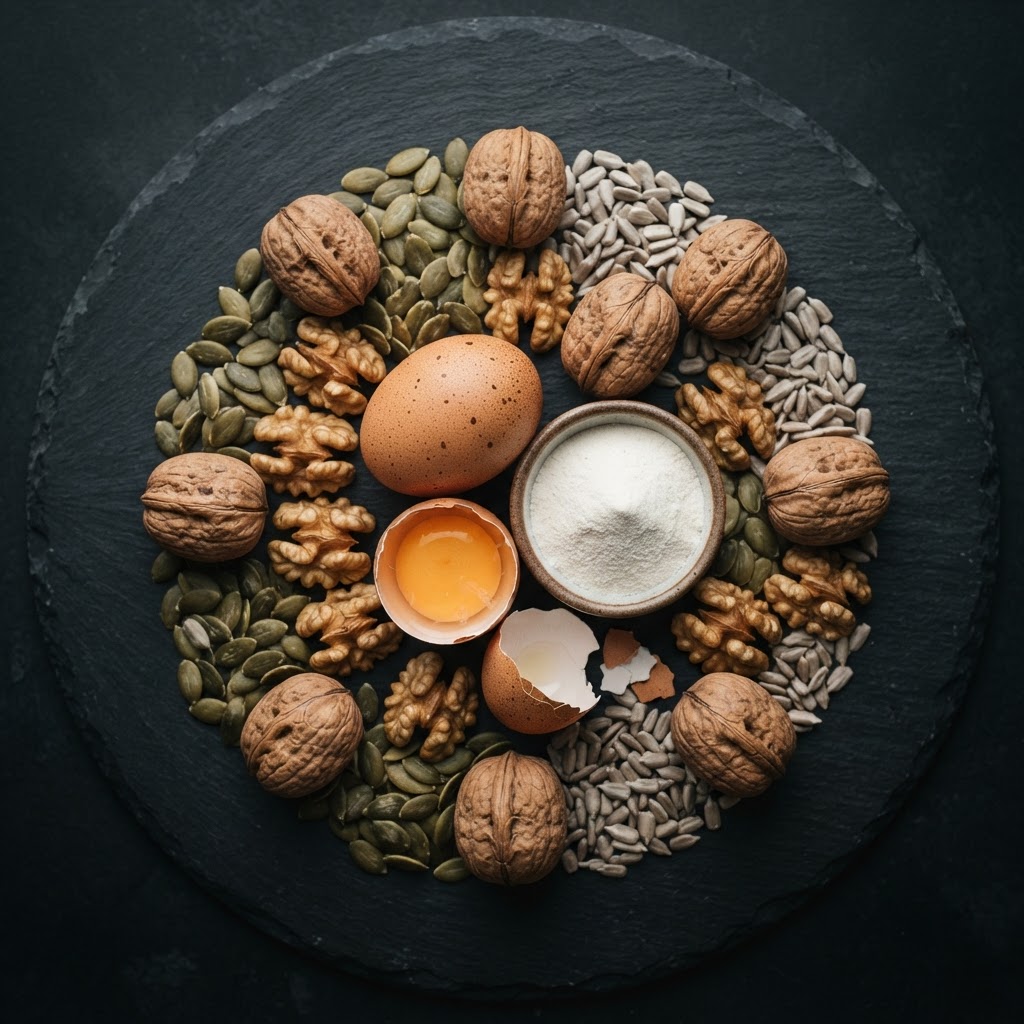
- 2 eggs at breakfast (~12g protein)
- Full-fat Greek yogurt as a snack (~17g per cup)
- Pasture-raised chicken, wild salmon, or grass-fed beef at lunch or dinner (~25–30g per serving)
- A quality protein smoothie with collagen peptides added (~20–25g, depending on your protein powder)
My client Sarah — a first-time mom and breastfeeding her daughter at 5 months postpartum — was barely hitting 45g of protein a day when she first came to me. Her hair was dry, breaking easily, and coming out in clumps. Within 8 weeks of restructuring her meals around adequate protein and iron-rich foods, she described her hair as "feeling like mine again."
Address the Iron-Ferritin Connection
This is the one I am most passionate about because it is the most commonly missed. Ask your OB or midwife to test your ferritin specifically — not just hemoglobin or serum iron, which can appear normal while ferritin is critically low. Optimal ferritin for hair health sits between 70–100 mcg/L, and many providers consider anything above 12 "normal" by lab standards.
Food sources of iron to emphasize:
- Grass-fed red meat (most bioavailable heme iron)
- Chicken liver (one of the most iron-dense foods available)
- Lentils and legumes paired with vitamin C for enhanced absorption
- Pumpkin seeds, dark leafy greens
If supplementing, ferrous bisglycinate is the gentlest and most absorbable form — typical therapeutic doses range from 25–50mg elemental iron daily based on your ferritin levels, ideally guided by a practitioner.
The Postpartum Supplement Stack Worth Knowing About
Rather than a generic prenatal vitamin (which you should absolutely keep taking — especially if breastfeeding), consider these targeted additions based on your individual labs and symptoms:
- Biotin: 2,500–5,000 mcg daily (look for forms combined with B-complex, as isolated high-dose biotin can interfere with some lab tests)
- Zinc: 15–25 mg daily (as zinc bisglycinate or picolinate for best absorption; avoid taking with iron as they compete)
- Omega-3 DHA/EPA: 1,000–2,000 mg combined DHA/EPA daily; algae-based if you're vegetarian
- Vitamin D3 + K2: 2,000–4,000 IU D3 daily (test first — your needs may be higher)
- Collagen peptides: 10–20g daily added to smoothies, soups, or coffee supports the keratin matrix and scalp elasticity
Always run supplementation by your healthcare provider, especially while breastfeeding.
Solution #2: Support Your Hormonal Recovery Strategically
Blood Sugar Balance Is Your Hormone's Best Friend
One thing most conversations about postpartum hair care skip entirely is blood sugar. Erratic blood sugar — which is extremely common in new mothers surviving on sugary snacks, irregular meals, and cortisol spikes from sleep deprivation — drives cortisol and insulin dysregulation, which in turn disrupts the hormonal signals that govern hair follicle health.
Practical steps:
- Never go more than 4–5 hours without eating (set alarms if you need to)
- Build every meal around protein + fat + fiber before adding carbohydrates
- Reduce refined sugar and ultra-processed food where realistically possible
- Include blood-sugar stabilizing foods: eggs, avocado, nuts, fatty fish, sweet potato
Thyroid Health Post-Baby
Up to 7–10% of postpartum women develop postpartum thyroiditis, according to the American Thyroid Association. Thyroid dysfunction — even subclinical hypothyroidism — is a significant driver of brittle hair, hair loss, and fatigue. Ask your provider to run a complete thyroid panel including TSH, Free T3, Free T4, and thyroid antibodies if you have persistent hair issues alongside fatigue, cold intolerance, or mood changes.
Solution #3: Scalp and Hair Care That Actually Works
External care matters — especially for protecting what you already have — but it needs to be paired with internal support to make a lasting difference.
Simplify and Protect
Brittle postpartum hair is fragile hair. The goal externally is to minimize damage and maximize moisture retention.
- Switch to a sulfate-free, gentle shampoo — harsh sulfates strip the natural oils your scalp is already struggling to produce
- Deep condition weekly with a moisturizing mask (look for ingredients like shea butter, argan oil, or ceramides)
- Handle wet hair gently — wet hair is at its most fragile; use a wide-tooth comb or a Wet Brush, always starting from the ends
- Reduce heat styling — air dry when possible, and use a heat protectant when you can't
- Sleep on a silk or satin pillowcase to reduce friction and breakage overnight
Scalp Massage: The Simple Practice With Real Science
A 2016 study published in ePlasty found that standardized scalp massage increased hair thickness and stimulated dermal papilla cell gene expression related to hair growth. Just 4 minutes daily of gentle scalp massage using your fingertips (or a silicone scalp massager) can improve blood flow to the follicles and support healthier, stronger regrowth.
A few drops of rosemary oil diluted in a carrier oil (like jojoba) applied during massage is worth considering — a 2015 study in SKINmed Journal found rosemary oil to be equally effective as 2% minoxidil for promoting hair regrowth over 6 months.
Solution #4: Address the Stress-Sleep-Hair Triangle
Why Chronic Sleep Deprivation Breaks Down Hair
This is the part where I wish I could wave a magic wand, because I know telling an exhausted new mother to "sleep more" can feel like a cruel joke. But here's the truth: chronic sleep deprivation elevates cortisol, which pushes more hair follicles into the telogen phase, impairs gut absorption of nutrients, and suppresses the hormonal signals needed for recovery. It is a direct driver of brittle postpartum hair.
This doesn't mean you need 8 uninterrupted hours (would that it were possible). It means:
- Sleep when someone offers to help — no guilt
- Accept night help when available, even occasionally
- Prioritize sleep over scrolling — even 30 extra minutes adds up
- Magnesium glycinate (200–400mg before bed) supports deeper sleep quality and also supports hair follicle health directly
My client Maya was 10 months postpartum, back at work, exclusively pumping, and averaging 4 interrupted hours of sleep. She was convinced her hair was "just ruined." We worked on sleep hygiene, magnesium support, and a protein-rich bedtime snack to stabilize overnight cortisol. Combined with the nutritional work, her hair texture transformed over four months. "I actually recognized myself again," she told me.
Solution #5: Hydration and Gut Health
Your Gut Is Your Hair's Secret Keeper
You can eat all the right nutrients and still have brittle postpartum hair if your gut isn't absorbing them efficiently. Pregnancy, delivery (especially cesarean), antibiotic use, and stress all alter the gut microbiome in ways that impact nutrient absorption.
- Prioritize fermented foods: kefir, kimchi, sauerkraut, yogurt
- Include prebiotic foods: garlic, onions, leeks, asparagus, oats
- Consider a quality probiotic with diverse Lactobacillus and Bifidobacterium strains
- Stay hydrated: even mild dehydration affects hair shaft moisture and scalp health — aim for at least 8–10 cups of water daily, more if breastfeeding
When to See a Specialist
Most brittle postpartum hair and postpartum telogen effluvium resolves within 6–12 months with nutritional support. However, please seek professional evaluation if you notice:
- Hair loss that is accelerating beyond 6 months postpartum rather than slowing
- Patchy bald spots or loss at the temples and hairline specifically (could indicate alopecia areata or traction alopecia)
- Significant brittleness alongside fatigue, weight changes, or mood shifts (thyroid panel warranted)
- Ferritin levels that are below 30 mcg/L (therapeutic iron supplementation needed)
- No improvement after 3–4 months of consistent nutritional intervention
A board-certified dermatologist with hair loss specialty, your OB or midwife, and a functional nutritionist (hi, that's me) can work together to get you accurate answers.
Your Postpartum Hair Recovery Action Plan
Here's a simple, realistic starting point. Pick what you can actually do right now.
This week:
- [ ] Book bloodwork: ferritin, full thyroid panel, vitamin D, zinc
- [ ] Add one protein-rich food to every meal
- [ ] Start a quality omega-3 supplement
- [ ] Switch to a gentle, sulfate-free shampoo
- [ ] Begin 4-minute nightly scalp massage
This month:
- [ ] Build a supplement protocol based on your lab results
- [ ] Introduce daily collagen peptides to smoothies or hot drinks
- [ ] Add one fermented food to your daily routine
- [ ] Sleep on a silk pillowcase
- [ ] Reduce heat styling to 1–2x per week maximum
Ongoing:
- [ ] Retest ferritin in 3 months if supplementing iron
- [ ] Track hair texture changes — not just shedding — monthly
- [ ] Continue prioritizing protein (80–100g daily)
- [ ] Address gut health consistently for sustained nutrient absorption
Remember: Recovery is not linear. Some weeks will feel like progress; others will feel like nothing is working. Keep going. Your body wants to heal.
You Are Not Losing Yourself
Brittle postpartum hair is not a character flaw, a cosmetic inconvenience, or proof that you're failing at motherhood. It is a physical sign that you have given enormously — to a pregnancy, to a birth, to a baby who needs you completely — and that your body is now asking to be replenished.
In every culture throughout history, the postpartum period was treated as a sacred time of intensive recovery and nourishment for the mother. Somewhere in our modern world, we lost that. We started expecting mothers to "bounce back" when their bodies are actually asking to move forward — into a nourished, replenished, supported new chapter.
You deserve that chapter. Your hair, your energy, your sense of self — all of it is worth investing in. The fact that you're here, reading this, asking questions, looking for real answers? That is not vanity. That is self-preservation. And I am here for every single part of it.
Ready to get personalized support for your postpartum recovery?
If you're tired of googling symptoms at midnight and piecing together solutions on your own, I'd love to help you build a targeted, evidence-based plan that works for your specific body, labs, and life. I offer a free 30-minute discovery call where we can talk through what you're experiencing and whether working together is the right fit.
[Click here to book your free discovery call →]
— Yarden Konki, Certified Functional Postpartum Nutritionist, Los Angeles
<!--ff-links-->Keep reading
- Postpartum Hair Loss: The Hidden Nutrient Deficiencies Behind Your Thinning Hair
- Why Do I Have Acne After Pregnancy? A Hormonal Health Guide
- How to Boost Your Energy Naturally After Pregnancy: Proven Strategies
Not sure where you are on the depletion scale?
Most mothers are told their bloodwork is "normal" while they still feel nothing like themselves. The 2-minute postnatal depletion quiz scores your energy, hormone, mood and brain-fog patterns and tells you which one is driving the rest.
If you already know you want a plan built around your labs, your baby's age and your actual life, book a free discovery call or look through the recovery programs.