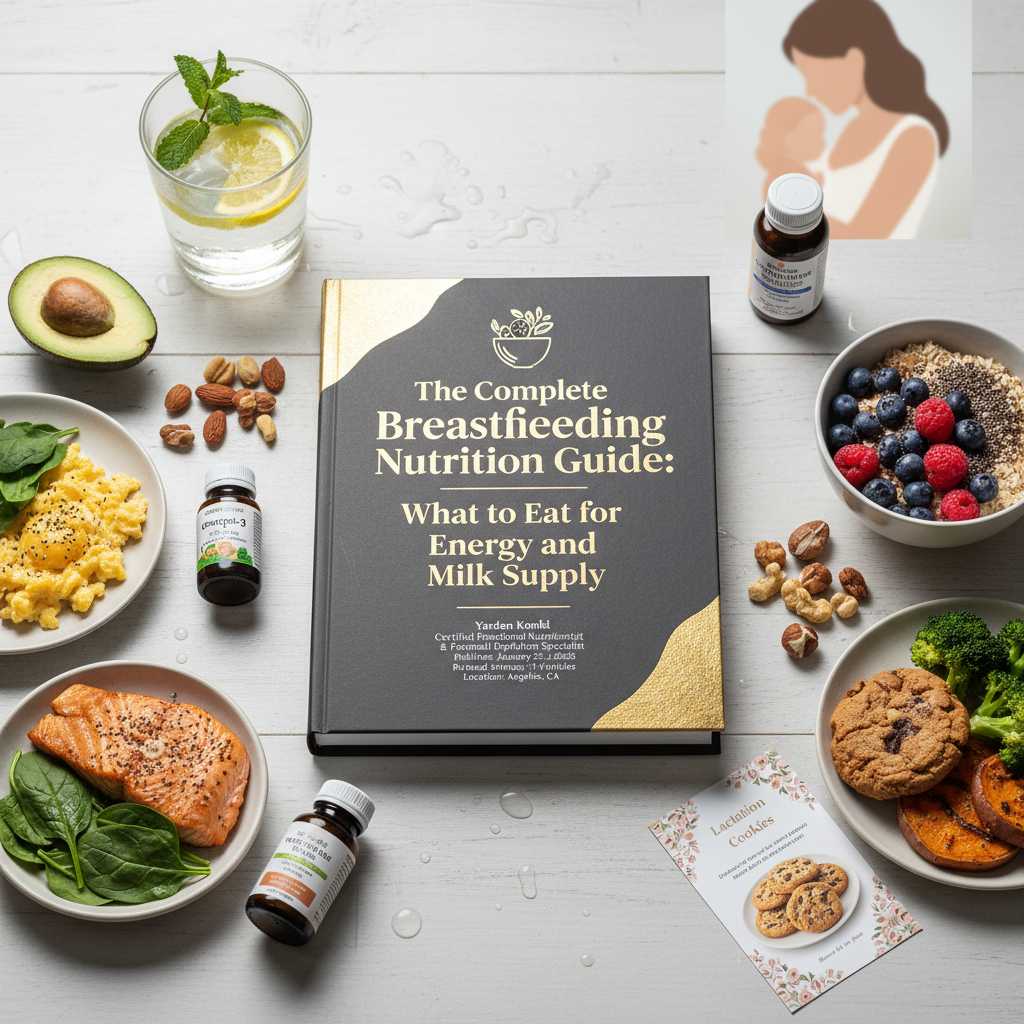
The Complete Breastfeeding Nutrition Guide: What to Eat for Energy and Milk Supply
Reading Time: 14 minutes
Introduction: You're Not Eating for Two Anymore—You're Eating for You
When I was six weeks postpartum and exclusively breastfeeding, I was hungrier than I'd been during pregnancy. Ravenously, constantly, desperately hungry. I'd finish breakfast and immediately start thinking about lunch. I'd eat dinner and need a snack an hour later.
And yet, everywhere I looked, the message was: "Breastfeeding helps you lose weight! The pounds will just melt off!"
Except they weren't melting off. I was exhausted, foggy, and couldn't understand why I was so hungry all the time.
Here's what nobody told me: Breastfeeding doesn't just burn calories—it depletes your body's nutrient stores at an alarming rate.
Your body will make milk no matter what you eat. But if you're not replenishing what's being used to make that milk, you become depleted. And when you're depleted, you end up exhausted, anxious, losing hair, struggling with supply, and feeling like a shell of yourself.
The standard breastfeeding nutrition advice focuses almost entirely on milk supply: "Drink water. Eat oats. Power through." But nobody talks about what you need to feel energized, mentally clear, and healthy while breastfeeding.
This guide is different. It's about nourishing you first—because when you're nourished, everything else (including milk supply) works better.
The Truth About Breastfeeding and Calories
Breastfeeding burns approximately 300-500 calories per day, depending on how much milk you're producing. That's the equivalent of running 3-5 miles. Every single day.
But unlike running, where the fuel is optional (you can run fasted), your body needs those calories and nutrients to make milk. If you don't eat enough, your body pulls from your reserves: your bones, your muscles, your nutrient stores.
This is why breastfeeding women need:
- 330-400 additional calories per day compared to pre-pregnancy needs
- Significantly more protein (65-75g minimum, ideally 80-100g)
- 50% more iodine
- 80% more choline
- 25-30% more vitamin A
- More calcium, magnesium, zinc, selenium, and B vitamins
Your body prioritizes milk production above your own needs. This means:
- Your milk will have adequate nutrients even if you're deficient
- But you'll be left depleted, exhausted, and unwell
The goal of breastfeeding nutrition isn't just adequate milk—it's thriving while making milk.
Why Breastfeeding Makes You So Hungry (And Why That's Good)
The hunger you feel while breastfeeding isn't psychological—it's hormonal.
Prolactin, the hormone that triggers milk production, also increases appetite. This is your body's way of ensuring you eat enough to support milk production.
Oxytocin, released during letdown, can also trigger hunger and thirst.
Additionally, breastfeeding affects blood sugar regulation. Milk production uses glucose, which can cause blood sugar dips, leading to intense cravings for quick energy (hello, carbs and sugar).
The hunger is a signal. Listen to it.
Ignoring hunger or restricting calories while breastfeeding can:
- Decrease milk supply
- Tank your energy levels
- Worsen mood and anxiety
- Slow metabolism
- Deplete nutrient stores
- Make postpartum recovery harder
You're supposed to be hungry. Your body needs more food. Eat it.
The Nutrients That Matter Most
Not all calories are created equal. While total calorie intake matters, the nutrients within those calories matter even more.
Here are the nutrients most critical for breastfeeding mothers:
Protein: The Foundation
Why it matters:
- Supports milk production
- Maintains muscle mass
- Stabilizes blood sugar
- Supports mood and mental health
- Aids tissue repair from birth
- Keeps you full and satisfied
How much: 80-100g per day minimum (more if very active)
Best sources:
- Eggs (6g per egg)
- Chicken, turkey, beef, pork (20-30g per palm-sized portion)
- Fish (20-30g per palm-sized portion)
- Greek yogurt (15-20g per cup)
- Cottage cheese (12-15g per ½ cup)
- Legumes (10-15g per cup cooked)
- Protein powder (20-25g per scoop)
How to get enough: Include protein at every meal and most snacks. Aim for 20-30g per meal.
Omega-3 Fatty Acids (DHA and EPA): Brain Development and Mood
Why it matters:
- Critical for baby's brain development
- Supports your mood and mental health
- Reduces inflammation
- Protects against postpartum depression
How much: 2,000-3,000mg combined DHA + EPA daily
Best sources:
- Fatty fish (salmon, sardines, mackerel, herring)
- Algae-based supplements (if vegetarian)
- Fish oil supplements
- Pasture-raised eggs (small amounts)
- Grass-fed beef (small amounts)
Important: DHA is preferentially transferred to breast milk. If you're not getting enough, your stores will be depleted, affecting your brain function and mood.
Choline: The Forgotten Essential
Why it matters:
- Critical for baby's brain development
- Supports your memory and cognitive function
- Needed for liver function and fat metabolism
- Milk contains high amounts, depleting your stores
How much: 550mg per day (higher than pregnancy!)
Best sources:
- Eggs (147mg per egg—the yolk!)
- Beef liver (355mg per 3 oz)
- Chicken, beef, pork (70-100mg per serving)
- Fish (70-80mg per serving)
- Broccoli, Brussels sprouts (30-60mg per cup)
The problem: Most breastfeeding women get less than 300mg daily, leading to depletion.
Iodine: Thyroid Function and Milk Supply
Why it matters:
- Required for thyroid hormone production
- Concentrated in breast milk (your baby needs it)
- Deficiency can decrease milk supply
- Supports your metabolism and energy
How much: 290mcg per day (50% more than pregnancy)
Best sources:
- Iodized salt (use liberally)
- Seaweed/kelp (variable amounts)
- Fish and seafood (80-100mcg per serving)
- Dairy products (56-100mcg per serving)
- Eggs (24mcg per egg)
Warning signs of deficiency:
- Fatigue
- Cold intolerance
- Low milk supply
- Hair loss
- Brain fog
Iron: Energy and Mental Clarity
Why it matters:
- Prevents postpartum anemia (very common)
- Supports energy production
- Critical for cognitive function
- Needed for thyroid function
How much: 9-10mg per day (less than pregnancy because you're not menstruating yet)
Best sources:
- Red meat (2-3mg per 3 oz)
- Chicken, pork (1mg per 3 oz)
- Seafood (varies)
- Legumes (2-4mg per cup)
- Dark leafy greens (2-3mg per cup cooked)
- Fortified cereals (varies)
Tip: Pair iron-rich plant foods with vitamin C to increase absorption.
B Vitamins: Energy and Nervous System
Why they matter:
- B12: nerve function, energy, mood
- Folate: cell production, baby's development
- B6: hormone balance, neurotransmitter production
- Thiamine, riboflavin: energy production
How much: Continue prenatal vitamin or B-complex supplement
Best sources:
- Animal products (B12)
- Leafy greens (folate)
- Whole grains (all B vitamins)
- Eggs (B12, riboflavin, choline)
- Legumes (folate, thiamine)
Calcium and Magnesium: Bones, Muscles, Nervous System
Why they matter:
- Calcium is pulled from your bones for milk production
- Magnesium supports sleep, mood, muscle function
- Both prevent postpartum depletion symptoms
How much:
- Calcium: 1,000-1,300mg per day
- Magnesium: 310-360mg per day
Best sources:
- Dairy products (calcium)
- Leafy greens (both)
- Nuts and seeds (magnesium)
- Tofu (both)
- Bone broth (calcium)
Vitamin D: Immunity, Mood, Bone Health
Why it matters:
- Transferred to breast milk in limited amounts
- Supports your immune function
- Critical for mood regulation
- Needed for calcium absorption
How much: 4,000-6,000 IU per day (your needs, not baby's)
Best sources:
- Sunlight (15-30 minutes without sunscreen)
- Fatty fish
- Fortified dairy
- Egg yolks
- Supplements (most reliable)
Note: Even if you supplement, baby may need vitamin D drops (ask pediatrician).
The Breastfeeding Plate: What to Eat Every Day
Forget complicated meal plans. The Breastfeeding Plate is a simple visual guide for building meals that support both milk production and your energy.
Every Meal Should Include:
Palm-sized protein (20-30g): Eggs, meat, fish, Greek yogurt, cottage cheese, legumes
Thumb of healthy fat: Avocado, nuts, seeds, olive oil, butter, coconut oil
Fist-sized complex carbs: Oats, quinoa, rice, sweet potato, whole grain bread, fruit
Two fists of vegetables: Any color, any preparation (bonus points for leafy greens)
8-16 oz water: Hydration is essential for milk production
Sample Day of Eating
Upon waking (before breakfast):
- 16 oz water with pinch of sea salt
- Supplements: prenatal, omega-3, vitamin D
Breakfast (within 1 hour of waking):
- 3 eggs scrambled with spinach and cheese
- 1 cup oatmeal with berries, almond butter, and chia seeds
- Coffee or tea
- 16 oz water
Mid-morning snack:
- Greek yogurt with granola and fruit
- Handful of walnuts
- 16 oz water
Lunch:
- Large salad with grilled chicken, avocado, chickpeas, vegetables, olive oil dressing
- Whole grain roll with butter
- Apple with almond butter
- 16 oz water
Afternoon snack:
- Smoothie: protein powder, banana, spinach, berries, almond milk, chia seeds
- Or: cottage cheese with fruit and nuts
- 16 oz water
Dinner:
- Salmon with roasted sweet potato and broccoli
- Side salad with olive oil and lemon
- Sparkling water
Evening snack (especially if nursing at night):
- Lactation cookies (oats, flax, brewer's yeast, chocolate chips)
- Or: nut butter on toast
- Or: hard-boiled eggs with fruit
- Herbal tea
Total: Approximately 2,400-2,600 calories, 100g+ protein, all major nutrients covered
Hydration: The Often-Overlooked Essential
Breast milk is 88% water. If you're dehydrated, your body will prioritize milk production, leaving you depleted.
How Much Water Do You Need?
Baseline: 80-100 oz (10-12 cups) per day
More if:
- Exclusively breastfeeding
- Exercising
- Hot weather
- Sweating
Signs you need more water:
- Dark yellow urine
- Dry mouth or lips
- Headaches
- Dizziness
- Decreased milk output
Tips for Staying Hydrated
- Keep water bottle with you always
- Drink 8 oz every time you nurse
- Add electrolytes (pinch of salt, coconut water, electrolyte powder)
- Eat water-rich foods (fruit, vegetables, soup)
- Set reminders if you forget
- Limit caffeine and alcohol (both are dehydrating)
What about too much water?
Excessive water (over 150 oz daily) without electrolytes can actually decrease milk supply and cause imbalances. Drink to thirst, aim for pale yellow urine.
Foods That Support Milk Supply (Galactagogues)
Certain foods have been traditionally used to support milk production. While research is limited, many women find them helpful.
Evidence-Based Galactagogues
Oats: Contain beta-glucan, which may increase prolactin. Also provide iron, fiber, and complex carbs.
Fenugreek: Most studied herb for milk supply. Can be effective but may cause digestive upset. (Check with doctor first.)
Fennel: Traditional galactagogue. Can be consumed as tea, seeds, or vegetable.
Brewer's yeast: Rich in B vitamins, iron, protein, chromium (blood sugar support).
Flaxseed: Provides omega-3s, fiber, and phytoestrogens.
Lactation-Boosting Foods to Include Daily
- Oatmeal (breakfast)
- Almonds, cashews, walnuts (snacks)
- Leafy greens (spinach, kale) (meals)
- Carrots (snacks, meals)
- Apricots (snacks)
- Salmon, sardines (meals)
- Chickpeas (meals, snacks)
- Brown rice (meals)
- Barley (soups, side dishes)
- Papaya (snacks, smoothies)
The Lactation Cookie Recipe That Actually Works
Ingredients:
- 3 cups oats
- 1½ cups whole wheat flour
- ¼ cup ground flaxseed
- ¼ cup brewer's yeast
- 1 tsp cinnamon
- ½ tsp salt
- 1 cup butter (softened)
- 1 cup brown sugar
- ½ cup honey or maple syrup
- 2 eggs
- 2 tsp vanilla
- 1 cup chocolate chips
- 1 cup chopped walnuts
Instructions:
- Preheat oven to 350°F
- Mix dry ingredients (oats, flour, flax, brewer's yeast, cinnamon, salt)
- Cream butter and sugar, add honey, eggs, vanilla
- Combine wet and dry ingredients
- Fold in chocolate chips and walnuts
- Drop tablespoons onto baking sheet
- Bake 10-12 minutes
Makes 4-5 dozen cookies. Freeze for easy snacking.
Foods and Substances That Can Decrease Supply
While most foods are fine while breastfeeding, some can potentially decrease milk supply in sensitive women:
Peppermint and spearmint: In large amounts (think peppermint tea multiple times daily, not occasional mint in food)
Sage and parsley: In large amounts (small amounts in cooking are fine)
High-dose vitamin B6: Over 200mg daily can suppress prolactin
Pseudoephedrine: Found in some cold medications (use alternatives)
Birth control with estrogen: Can decrease supply in some women (progesterone-only is safer)
Alcohol: In excess (more than 1-2 drinks) can temporarily reduce milk production
Caffeine: In excess (more than 300mg daily) may affect baby's sleep and your supply
Severe calorie restriction: Eating less than 1,800 calories daily
When to Supplement
Even with a perfect diet, breastfeeding mothers benefit from strategic supplementation due to increased demands.
Essential Supplements
Prenatal or postnatal vitamin: Continue taking throughout breastfeeding. Provides baseline of most nutrients.
Omega-3 (DHA/EPA): 2,000-3,000mg daily (choose high-quality, third-party tested)
Vitamin D: 4,000-6,000 IU daily (test levels to optimize dosing)
Magnesium: 400-600mg daily (glycinate form best for absorption and sleep support)
Consider Adding If Deficient
Iron: If blood work shows deficiency or ferritin below 50
B12: If vegetarian/vegan or showing signs of deficiency
Choline: If not eating 2-3 eggs daily
Iodine: If not using iodized salt or eating seafood regularly
Calcium: If dairy-free and not getting enough from other sources
Probiotics: For digestive health and immune support (benefits baby too)
Supplements to Avoid Without Medical Supervision
- High-dose vitamin A (over 10,000 IU daily)
- Herbs and botanicals (many lack safety data)
- Weight loss supplements
- Detox or cleanse products
Troubleshooting Common Concerns
"I'm So Hungry All the Time"
This is normal. Breastfeeding increases calorie needs by 300-500 daily, plus your body is recovering from birth. Honor your hunger.
What to do:
- Eat every 2-3 hours
- Include protein and fat at every meal/snack
- Keep easy snacks accessible
- Don't restrict calories
- Check that you're getting enough carbs (supports milk production)
"I'm Craving Sugar Constantly"
Why: Milk production uses glucose, causing blood sugar dips.
What to do:
- Never skip breakfast
- Eat protein within 1 hour of waking
- Combine carbs with protein and fat
- Eat every 3-4 hours
- Get enough sleep (when possible)
- Check that you're eating enough overall
"I'm Losing Too Much Weight"
Concern if: Losing more than 1 pound per week after initial postpartum weight loss, or losing weight despite eating plenty.
What to do:
- Increase calories (add snacks, increase portion sizes)
- Check thyroid function (postpartum thyroiditis can cause hyperthyroidism)
- Ensure adequate carbohydrates
- Reduce exercise if excessive
- Rule out other health issues
"I Can't Lose Any Weight"
Common while breastfeeding. Many women hold onto 5-10 pounds until weaning due to hormones (prolactin promotes fat storage).
What NOT to do:
- Restrict calories below 1,800-2,000
- Cut carbs drastically
- Over-exercise
What TO do:
- Focus on nutrient density, not weight loss
- Strength train 2-3x per week
- Manage stress
- Prioritize sleep
- Check thyroid and insulin function
- Be patient (weight often drops after weaning)
"My Supply Seems Low"
First, check: Is baby gaining weight appropriately? Producing wet diapers? Meeting milestones? If yes, your supply is likely fine (babies are better indicators than pumps).
If supply is actually low:
- Increase nursing frequency
- Ensure proper latch (see lactation consultant)
- Drink 80-100 oz water daily
- Eat enough calories (2,000-2,500+)
- Don't skip meals
- Get more sleep/rest
- Reduce stress
- Add galactagogues (oats, brewer's yeast, etc.)
- Check medications/supplements
- Rule out thyroid issues
- Consider domperidone or prescription galactagogues (with doctor)
Special Dietary Considerations
Vegetarian/Vegan While Breastfeeding
Critical supplements:
- B12 (essential—must supplement)
- DHA/EPA (algae-based)
- Iron (check levels regularly)
- Zinc
- Iodine
- Possibly choline
Focus on:
- Complete proteins (combining legumes + grains)
- Iron-rich plants + vitamin C
- Calcium-rich foods
- Fortified foods
Food Allergies/Sensitivities in Baby
Signs baby may be reacting to something in your diet:
- Persistent eczema or rashes
- Excessive fussiness or colic
- Bloody or mucousy stool
- Vomiting (beyond normal spit-up)
- Poor weight gain
Most common culprits:
- Dairy (most common)
- Soy
- Eggs
- Wheat/gluten
- Nuts
What to do:
- Work with pediatrician or allergist
- Eliminate suspected food for 2-3 weeks
- Watch for improvement
- Ensure you're still getting adequate nutrition
- Consider working with dietitian
Dairy-Free While Breastfeeding
Ensure adequate calcium from:
- Fortified plant milks
- Leafy greens (collards, kale, bok choy)
- Tofu (calcium-set)
- Canned fish with bones (sardines, salmon)
- Almonds
- Figs
- Calcium supplement if needed
Also focus on:
- Vitamin D (enhances calcium absorption)
- Magnesium
- Protein from other sources
Your Invitation to Nourished Motherhood
Breastfeeding is one of the most nutritionally demanding things your body will do. But it shouldn't leave you depleted, exhausted, and running on empty.
You deserve to feel energized while nourishing your baby.
When you prioritize your nutrition—eating enough, eating the right things, replenishing depleted nutrients—everything gets easier. Your energy improves. Your mood stabilizes. Your milk supply is abundant. And you actually enjoy this phase of motherhood.
Ready for Personalized Support?
Book a free discovery call to discuss your specific nutritional needs and create a plan that helps you thrive while breastfeeding.
<!--ff-links-->Keep reading
- Best Foods for Breastfeeding Energy: A Postpartum Nutritionist's Daily Plate
- Nutrient Depletion After Pregnancy: The 9 Nutrients Motherhood Drains Most
- Postpartum Nutrition for Energy: The Exact Daily Plate That Rebuilds Reserves
Not sure where you are on the depletion scale?
Most mothers are told their bloodwork is "normal" while they still feel nothing like themselves. The 2-minute postnatal depletion quiz scores your energy, hormone, mood and brain-fog patterns and tells you which one is driving the rest.
If you already know you want a plan built around your labs, your baby's age and your actual life, book a free discovery call or look through the recovery programs.